projects
Grandes productores©

educación
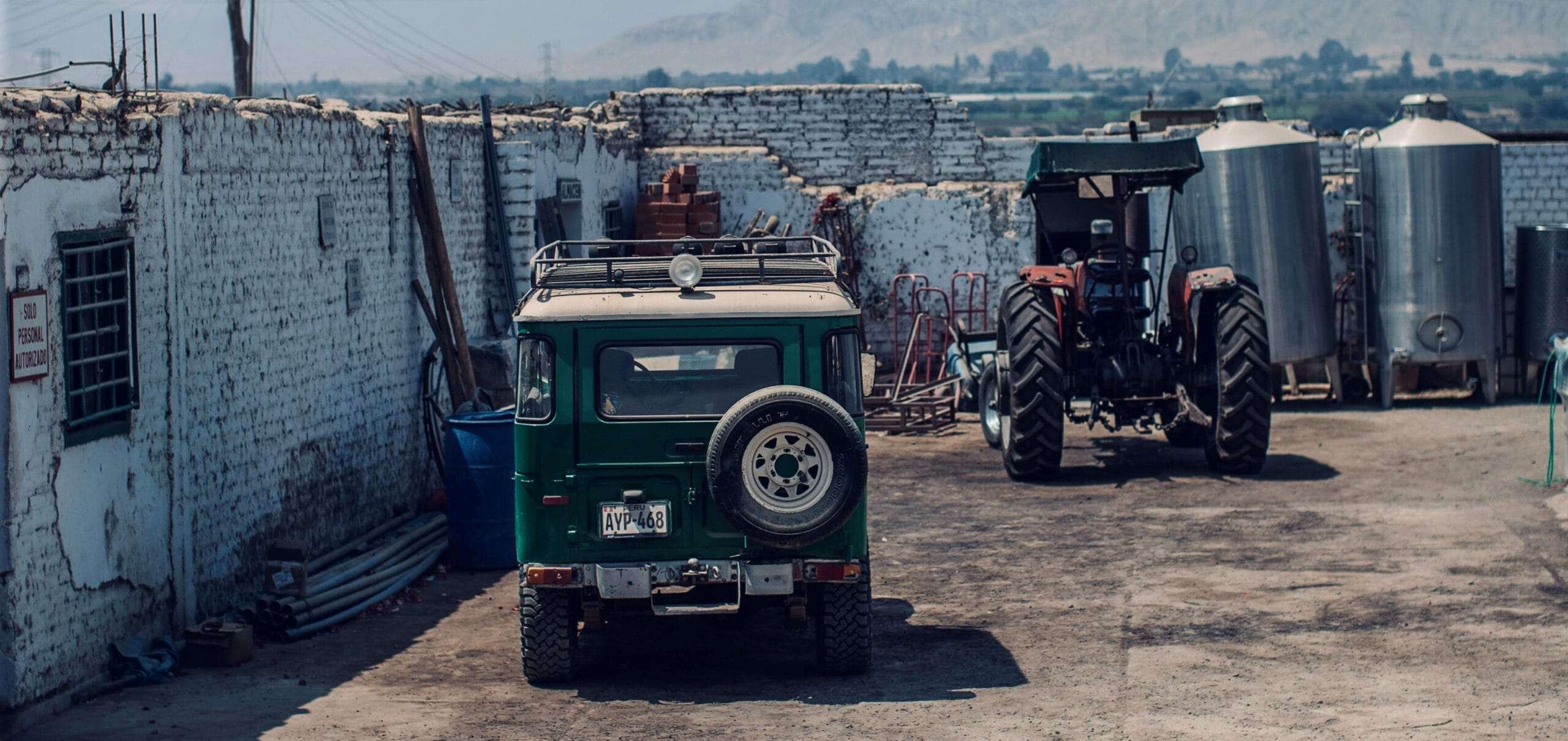
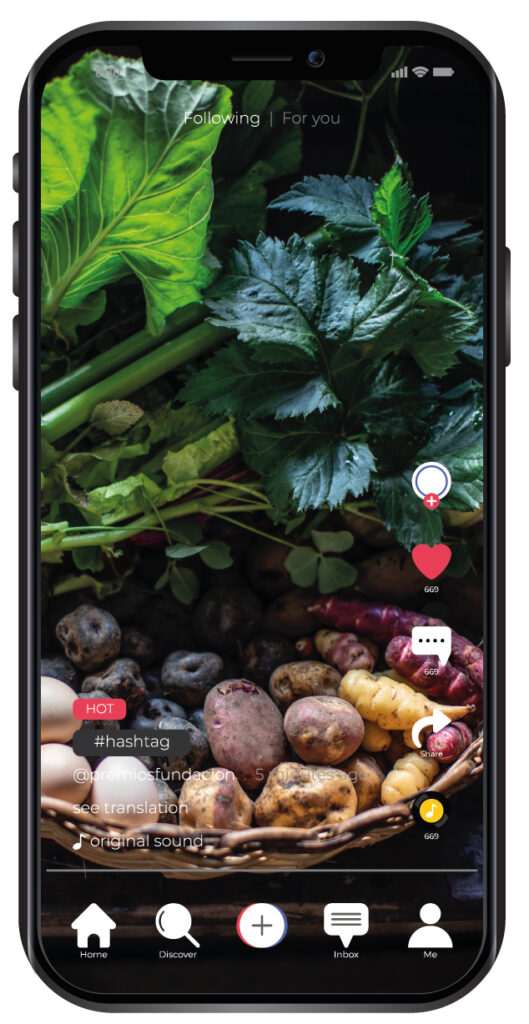
The idea came up with Arianne Marie trying to find a place for the real responsible people for the chain on which gastronomy is based: its inexhaustible and obsessive producers. Crops, livestocks and ancestral process are in danger, and the healthy way to preserve them is telling their stories.
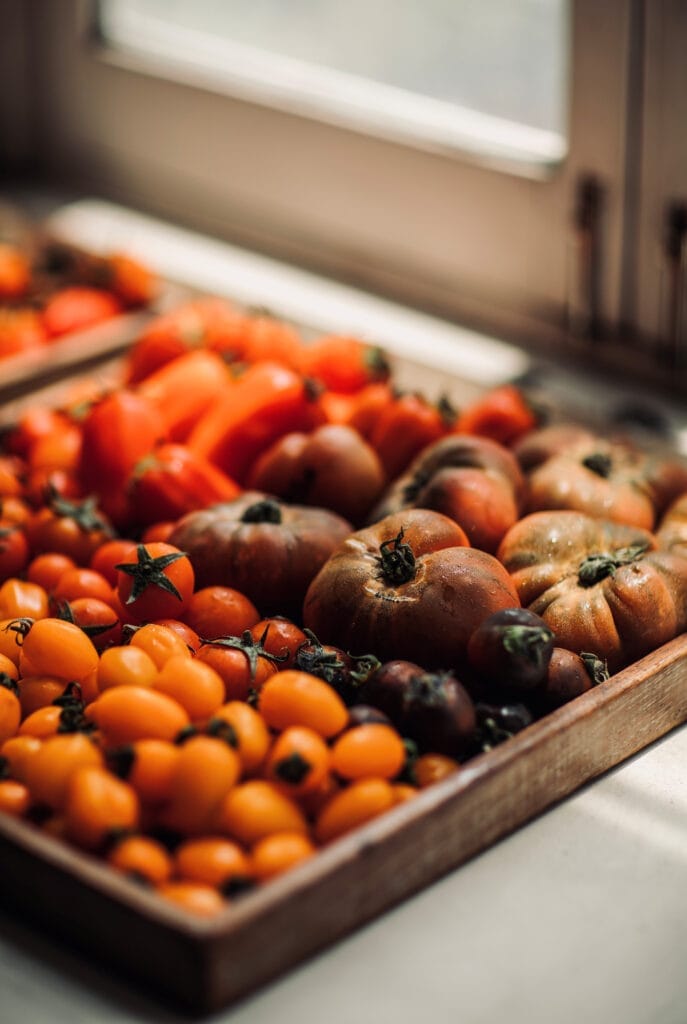
The French agriculture academy compared at the end of 2024 that the 70 most consumed vegetables and fruits on the planet had 48% less iron, 27% less vitamin C and 16% less calcium. In less than 40 years the nutritional decline of these foods is dramatic. The example of the tomato is aggressive -26% calcium, -58% vitamin B1 and less -59% vitamin C
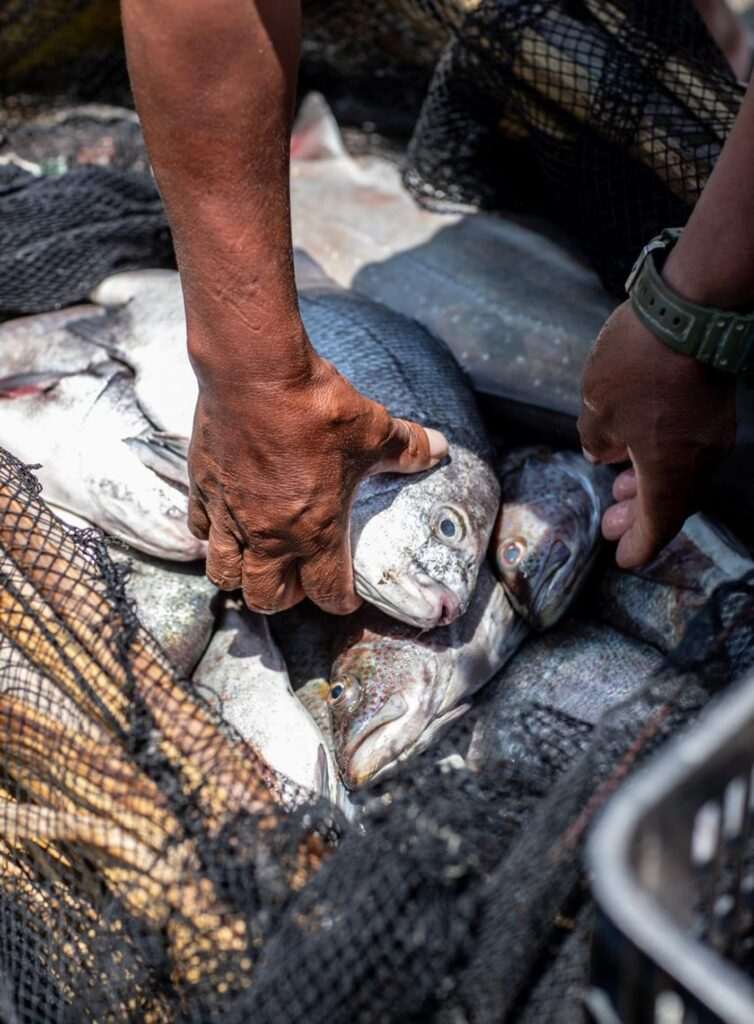
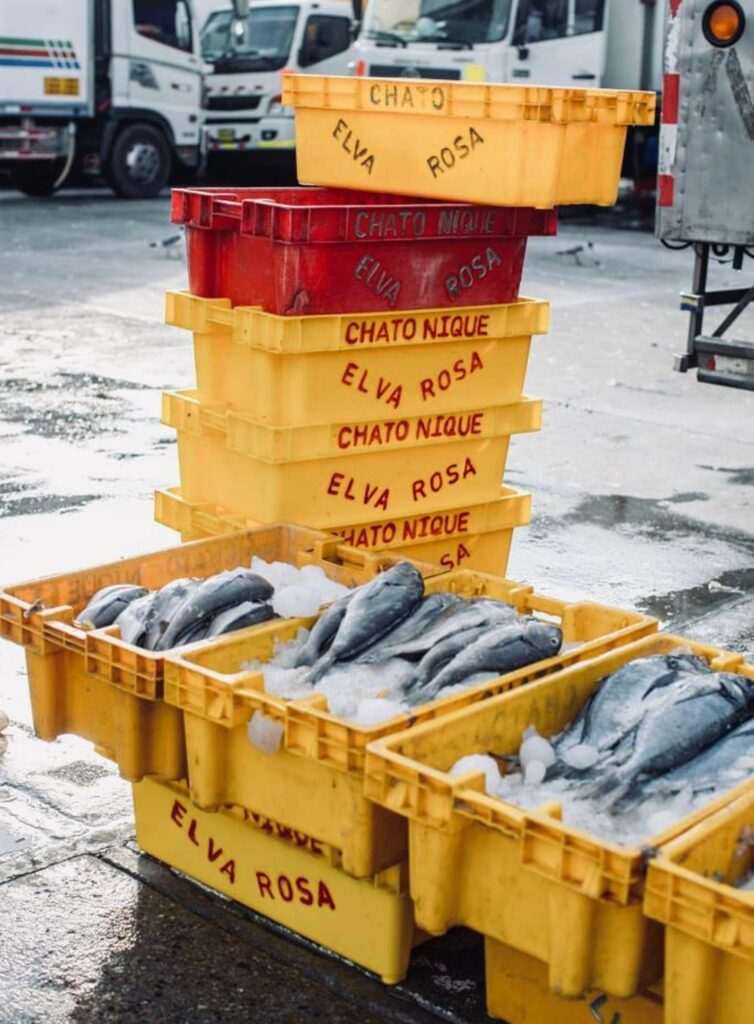
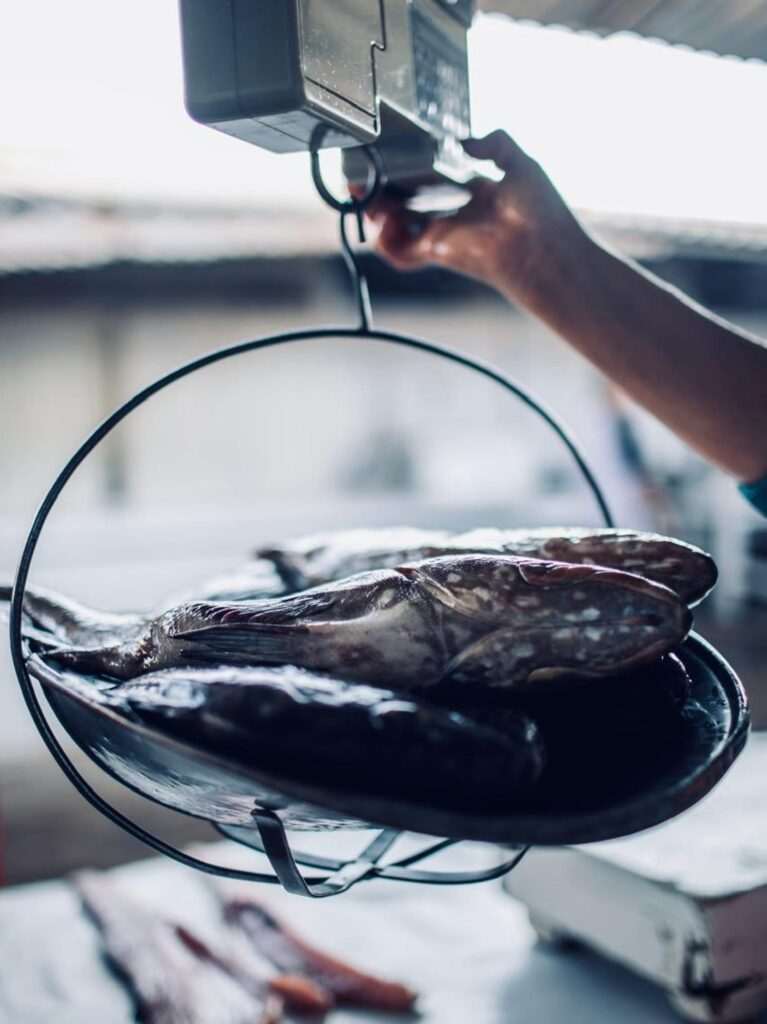
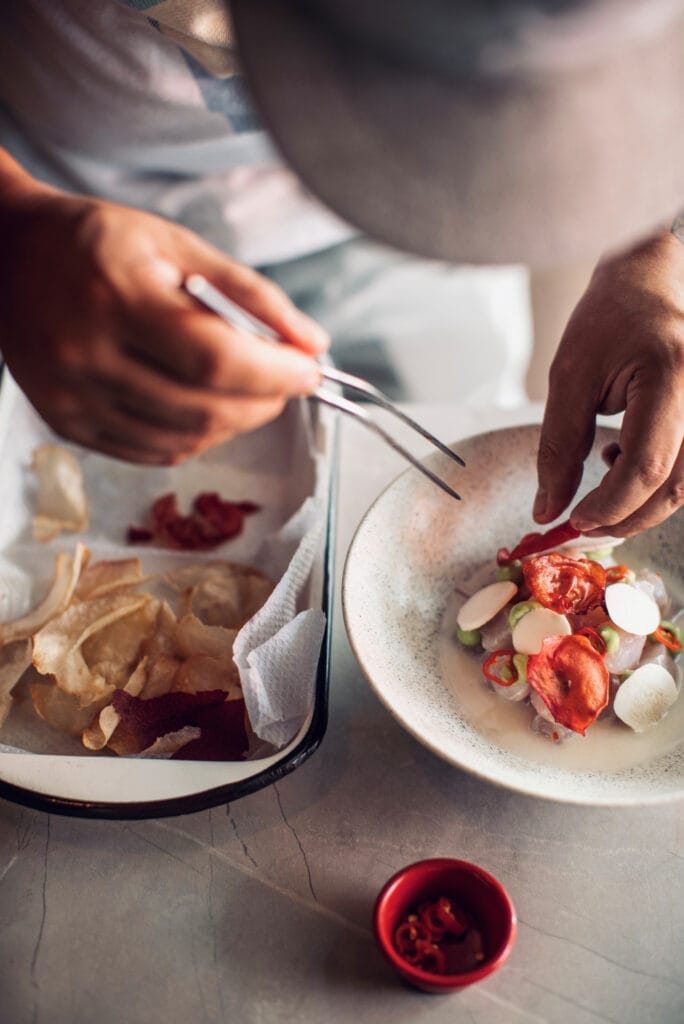
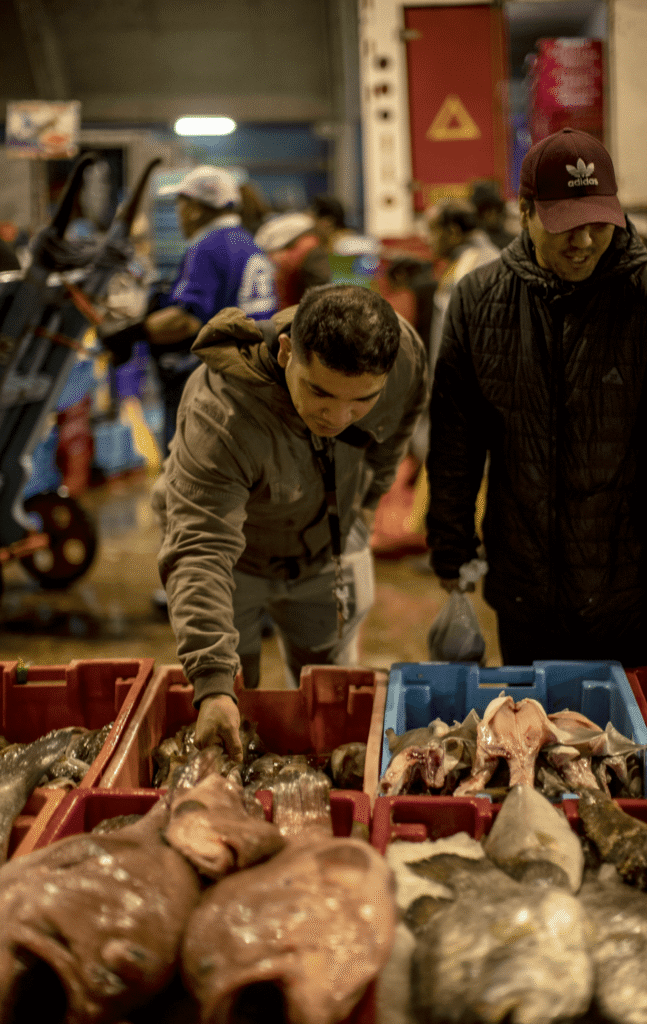
Food and its chain are mutating fast and not only crops are loosing their vitamins. In Peru, the gastronomic boom that emerged and their avant-garde culinary creations left the vast majority of local producers marginalized. Regional fishermen and farmers, diligently crafting products of unparalleled origin and flavor, approach these chefs with humility when their services are required.

redes sociales
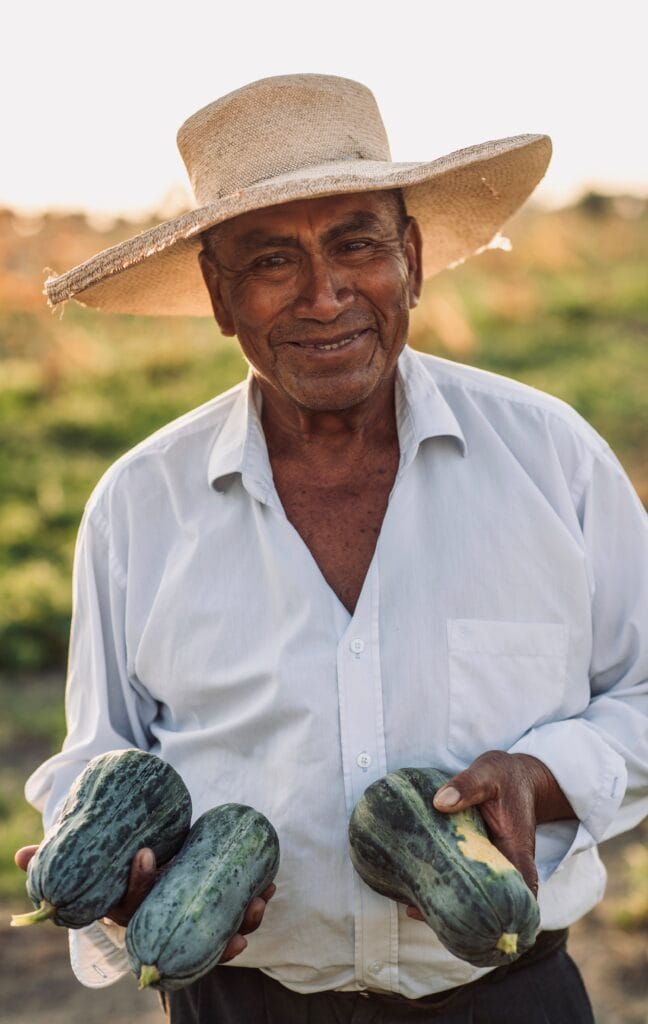
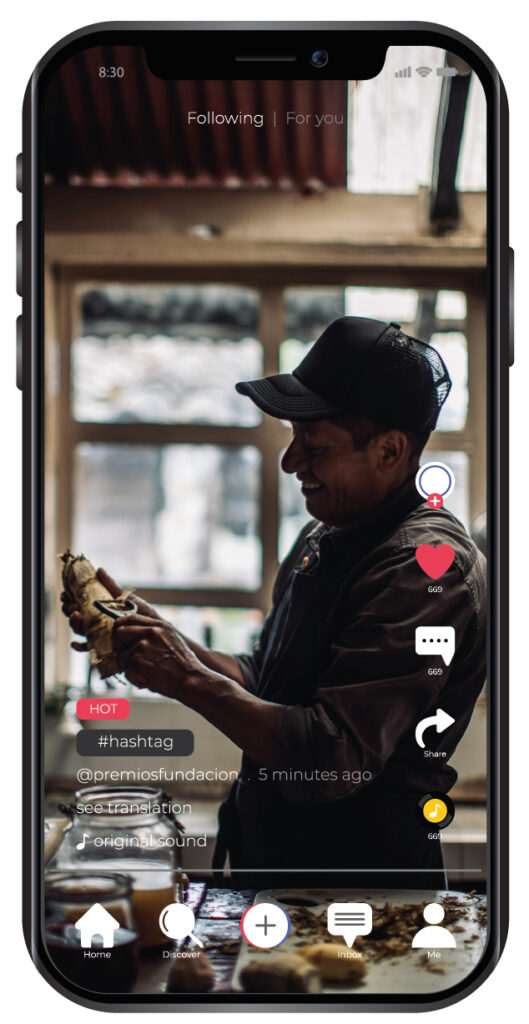
They were asleep in unhonoral and erratic mentions in some of the not very eloquent international interviews. Many of these men carried traditions of three generations without stopping in several decades of perfecting what they so proudly developed.
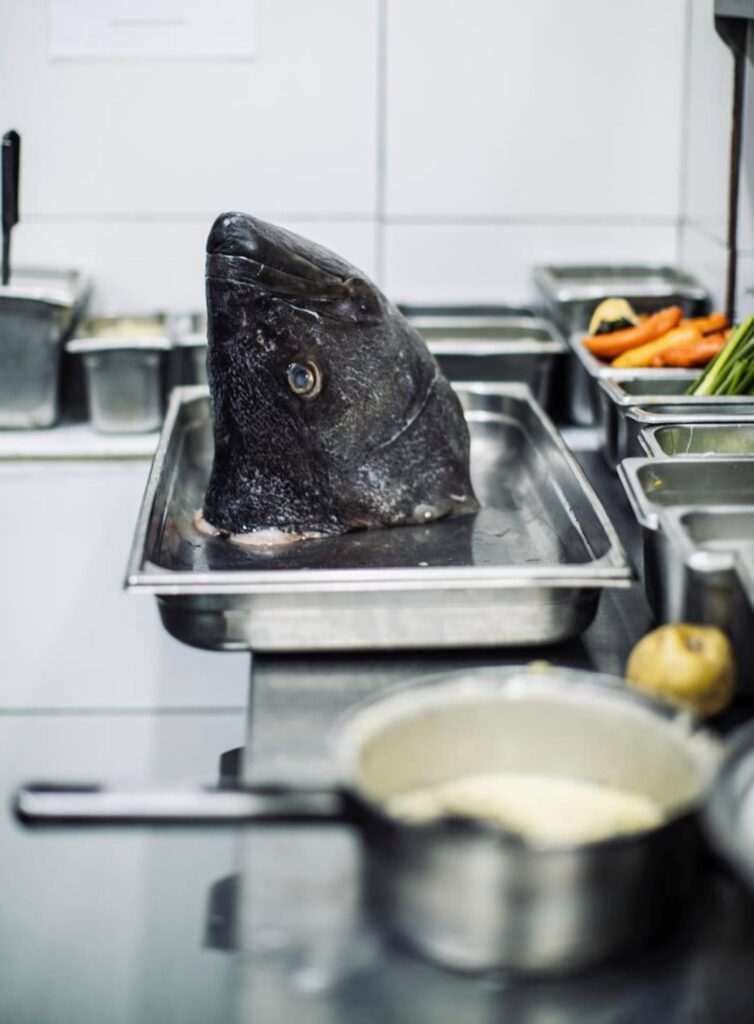
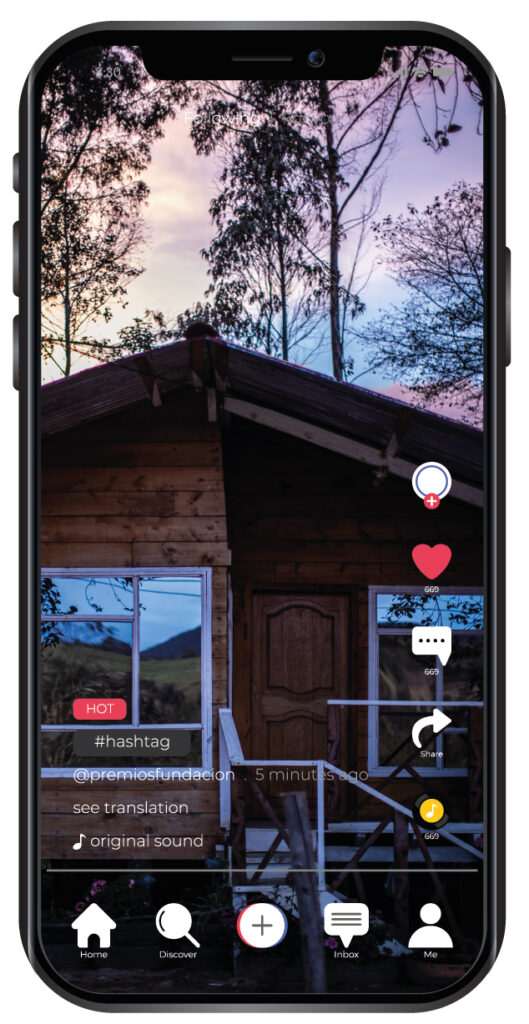
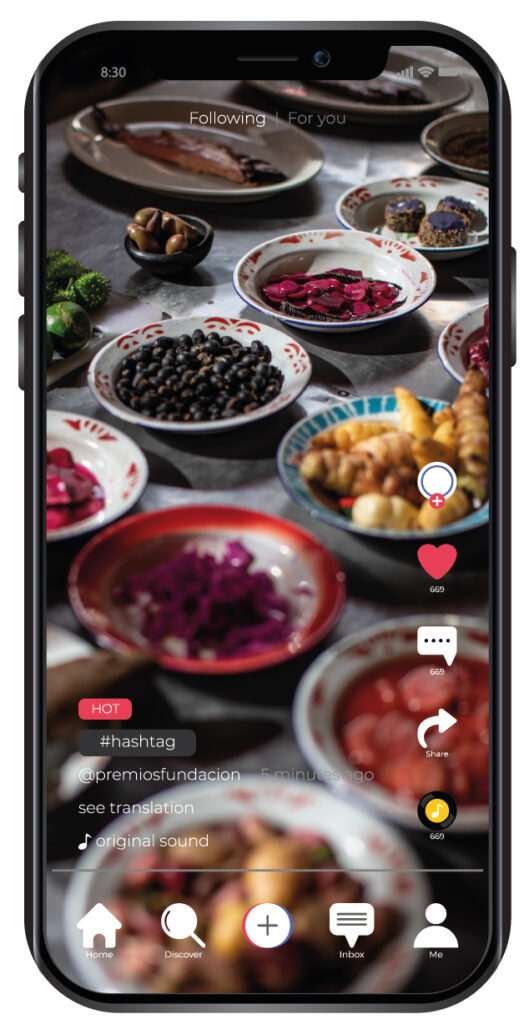
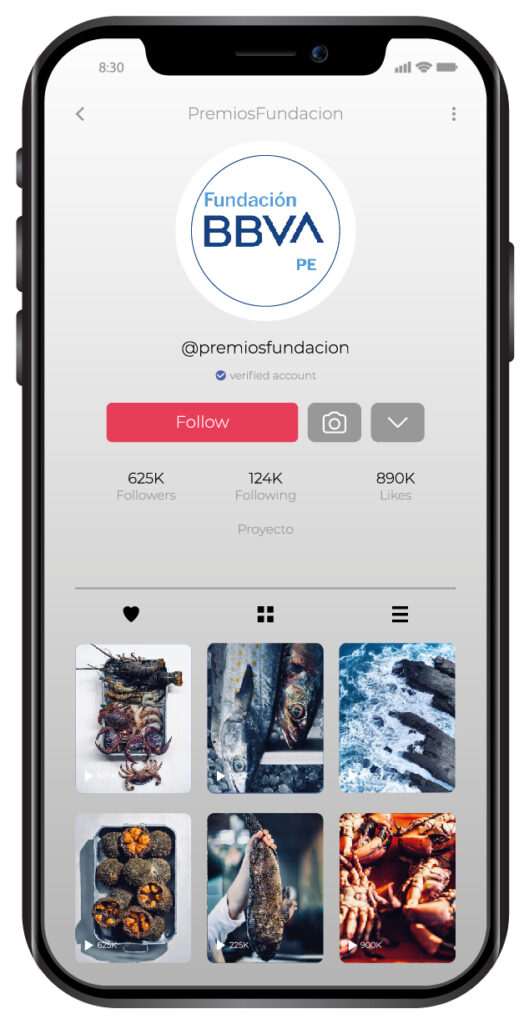
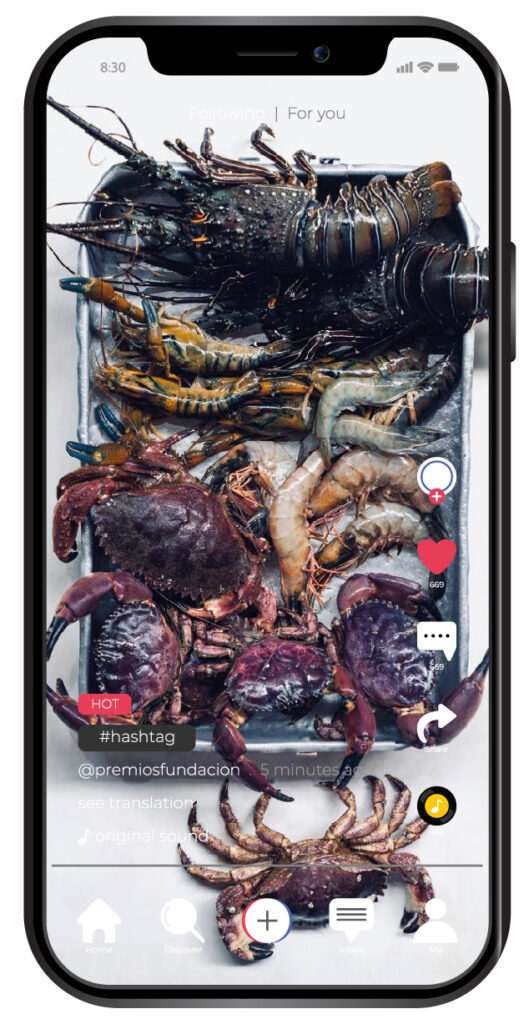
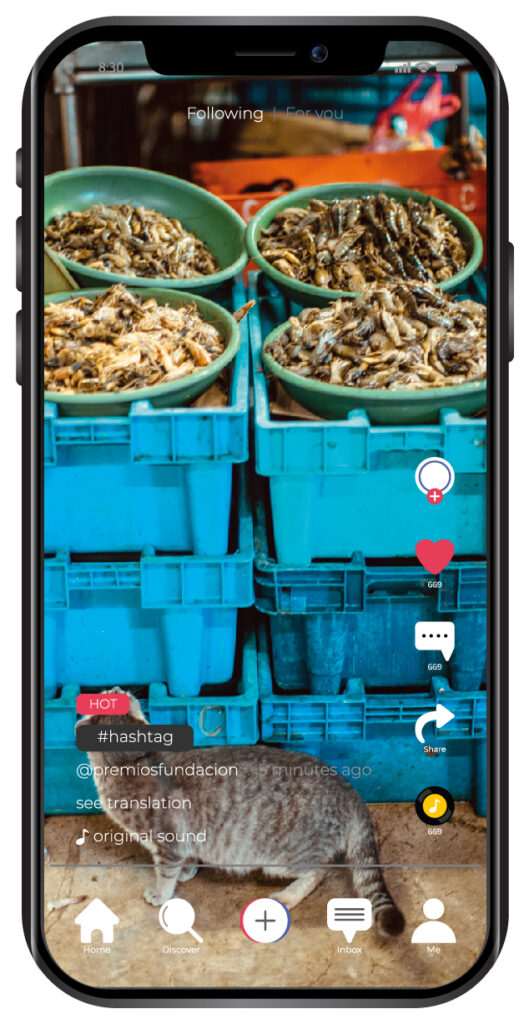
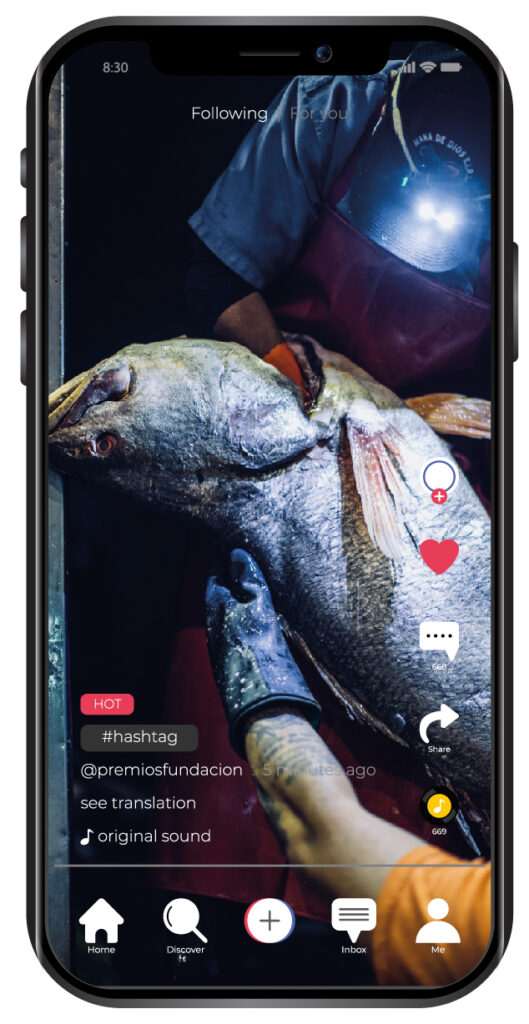
Matured, salted or simply collected, some of these exquisite products, all of them within the menus of the most ranked locals in Lima, had to be recognized for the incredible stories of care and dedication that they carried behind. In response we create a contest to visualize this tales.
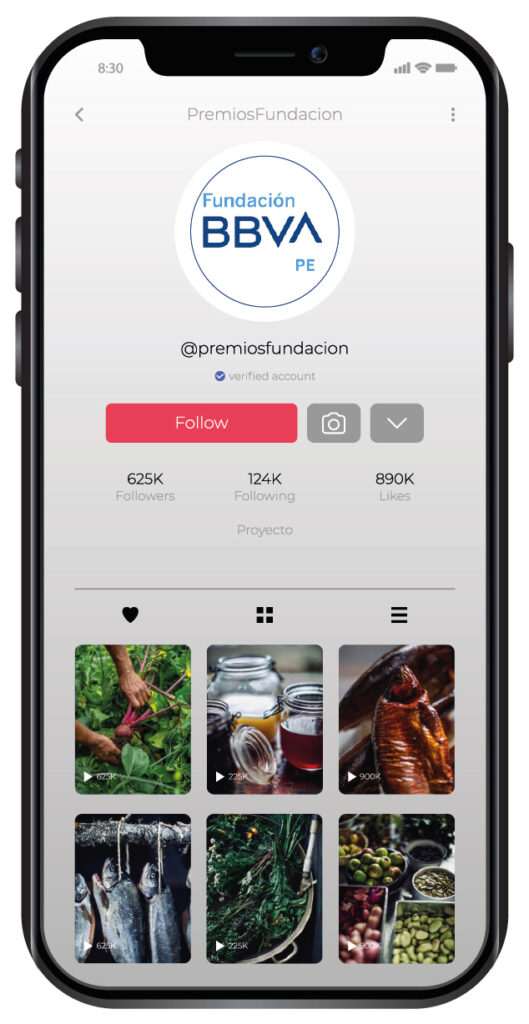
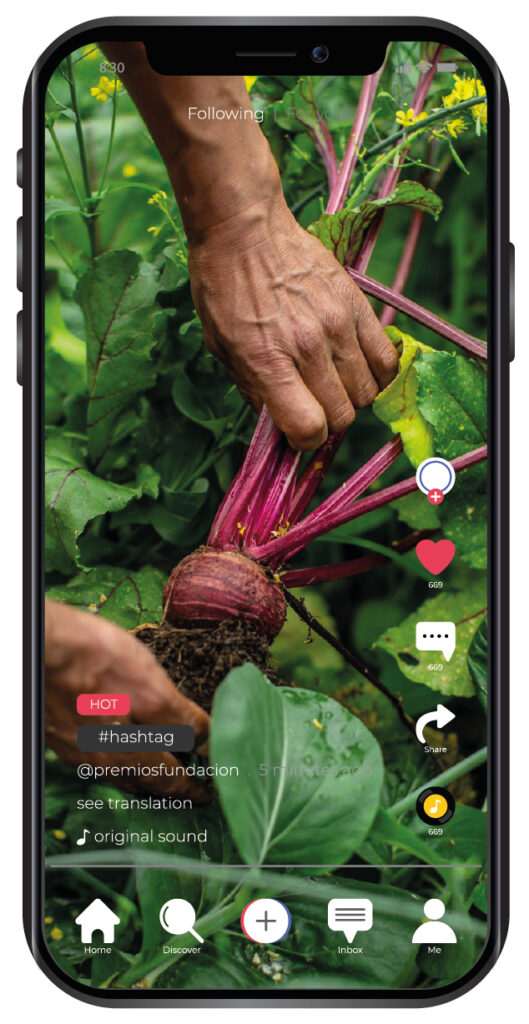
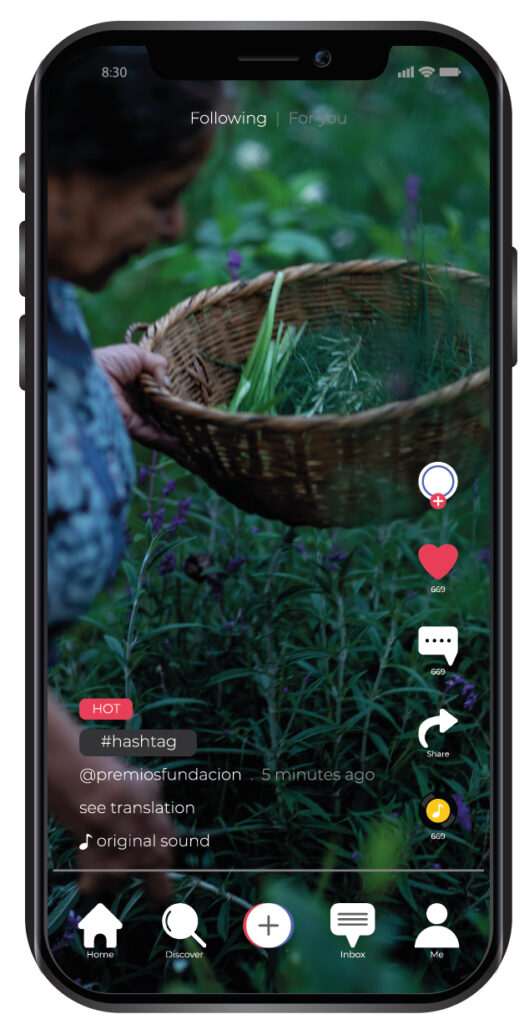
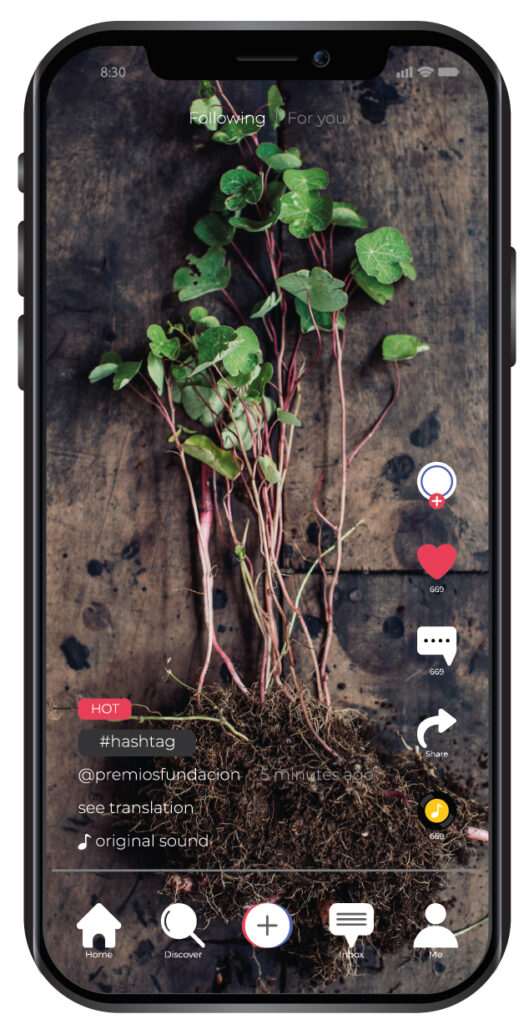
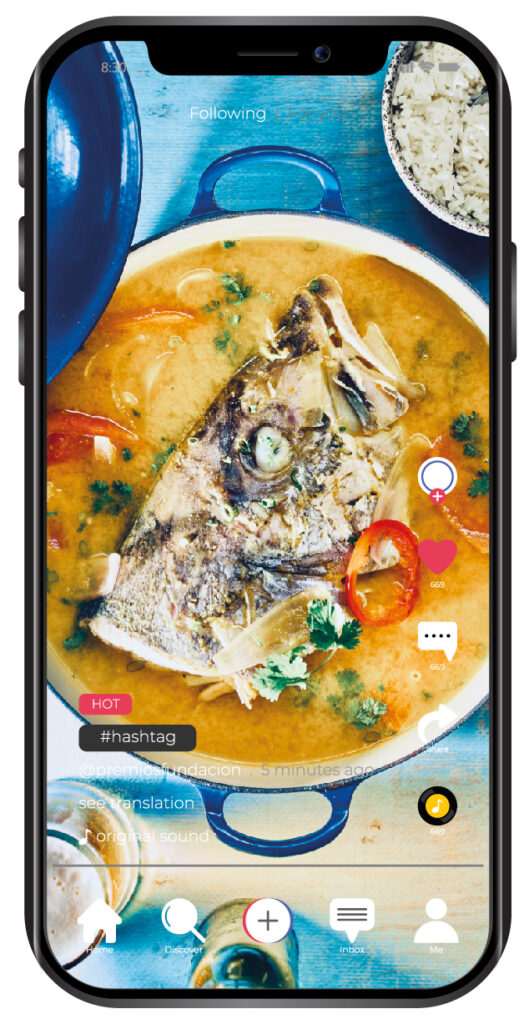
We organized a story curation and formed teams of writers and photojournalists to cover and compete in filling us with images and chronicles about the unique characteristics that make each product a national pride. The selected jury and public vote will select the best tale.


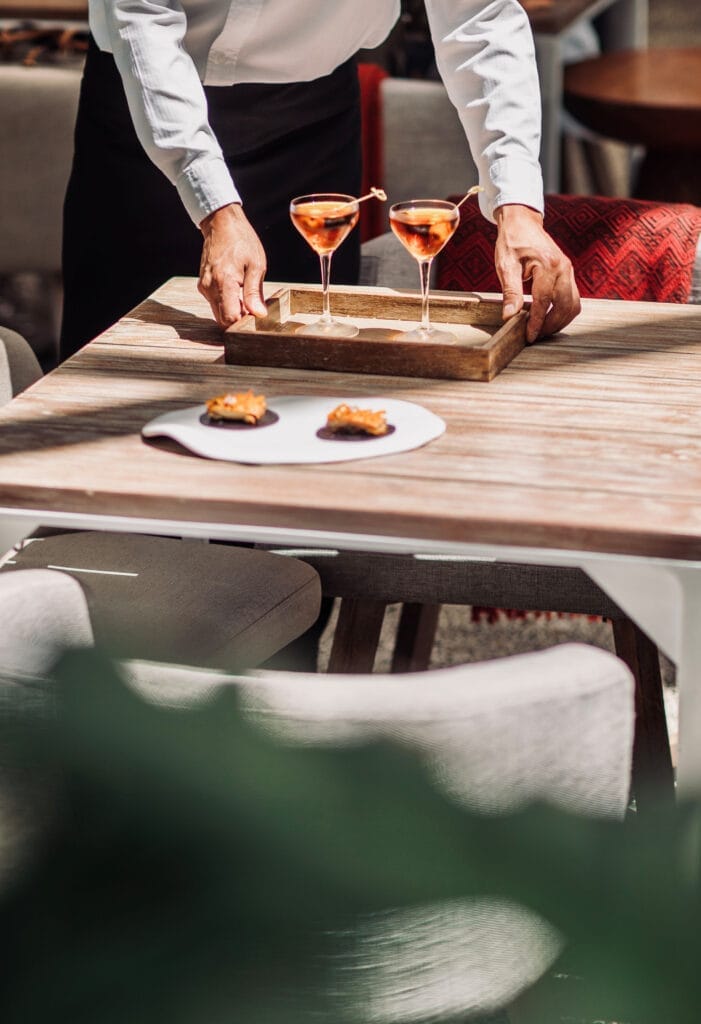
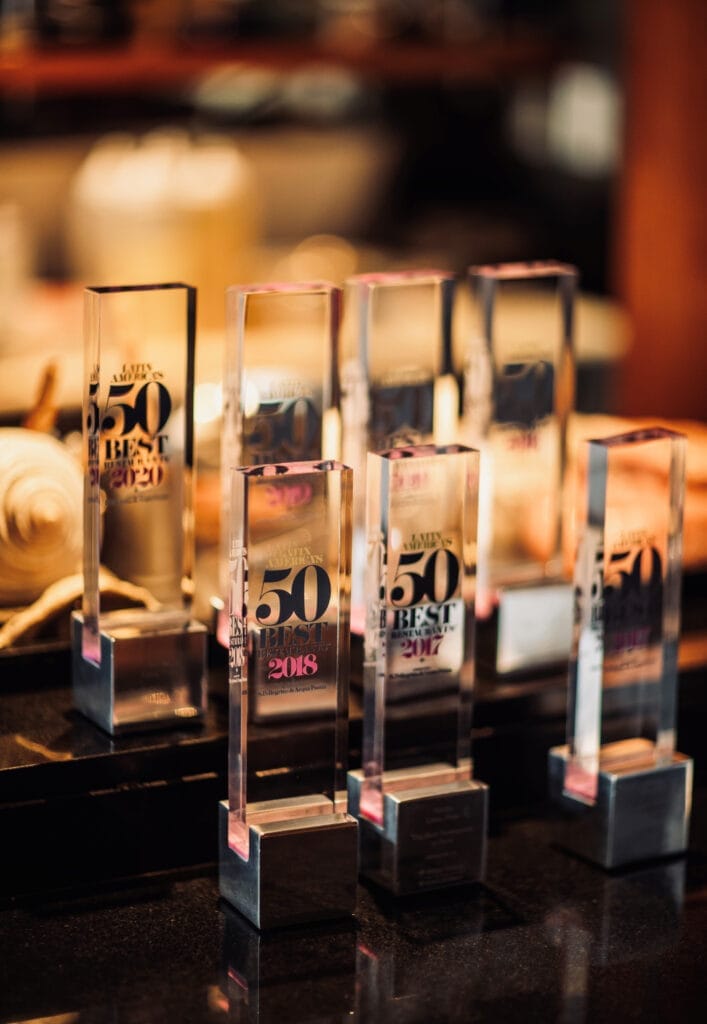
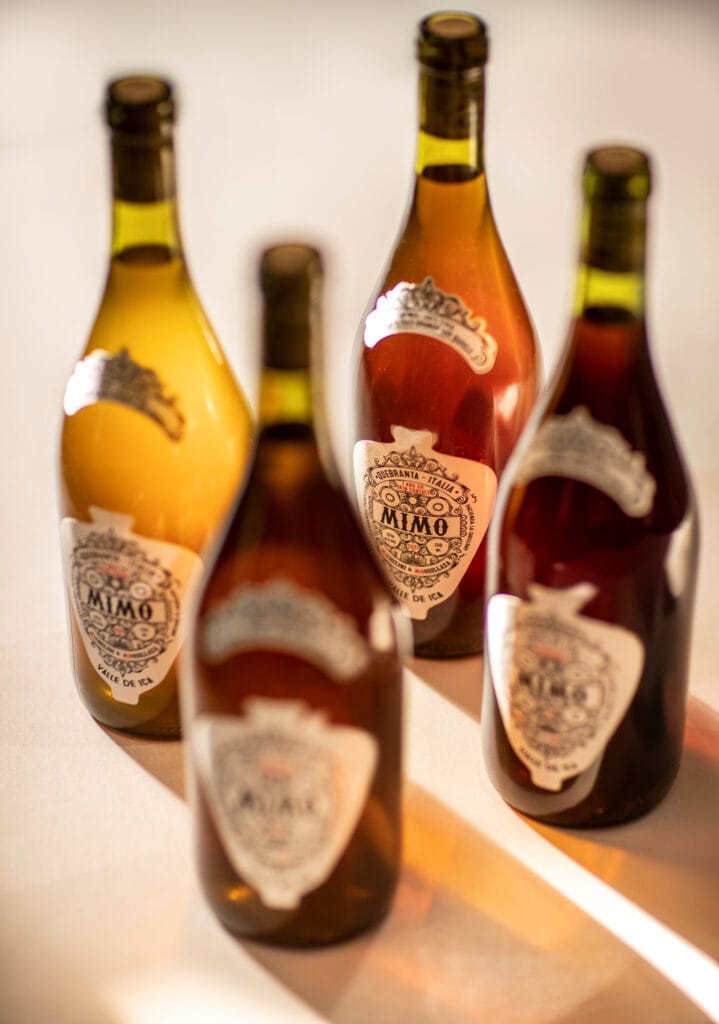
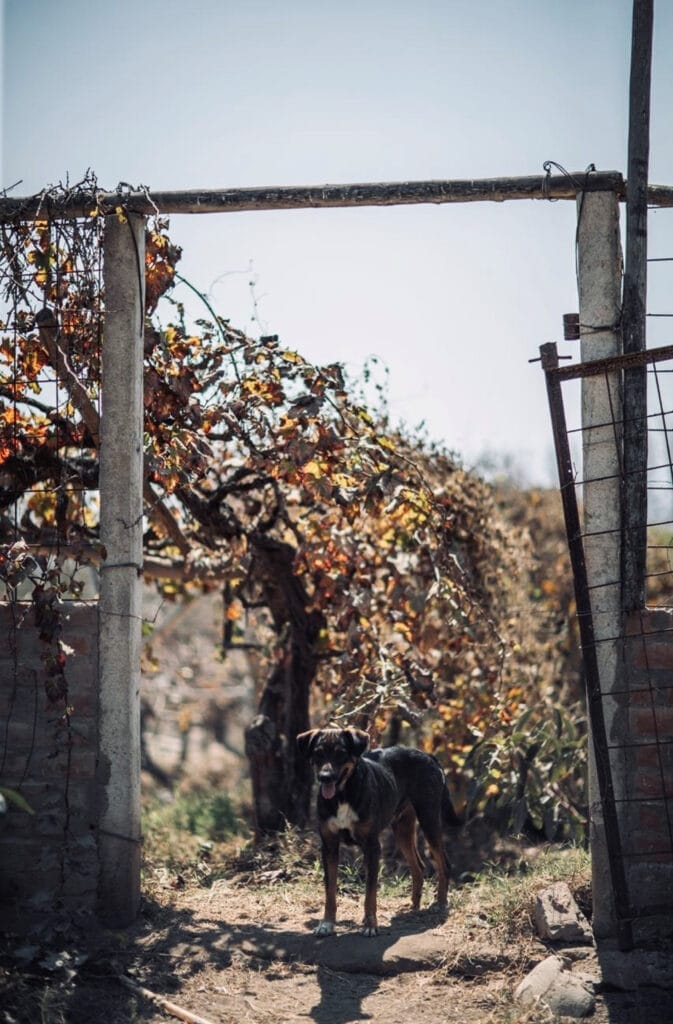
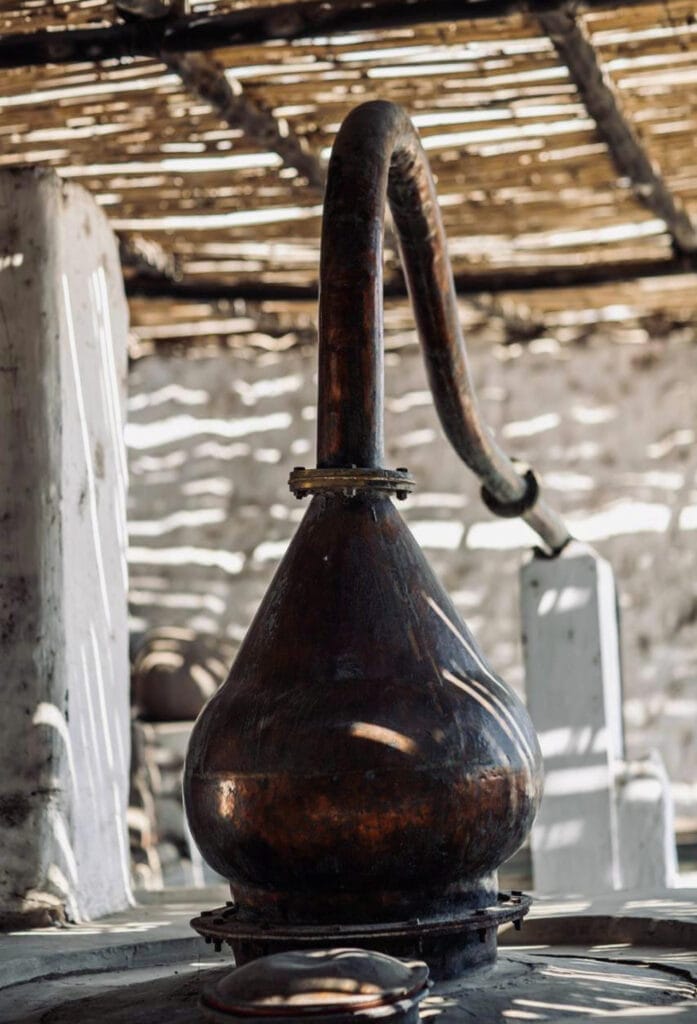
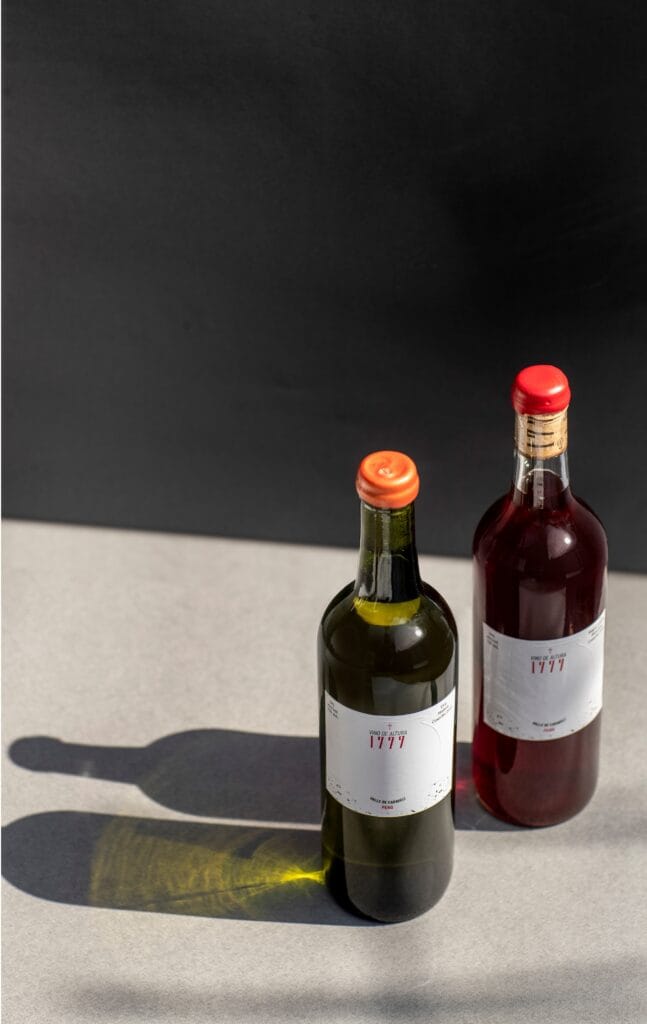
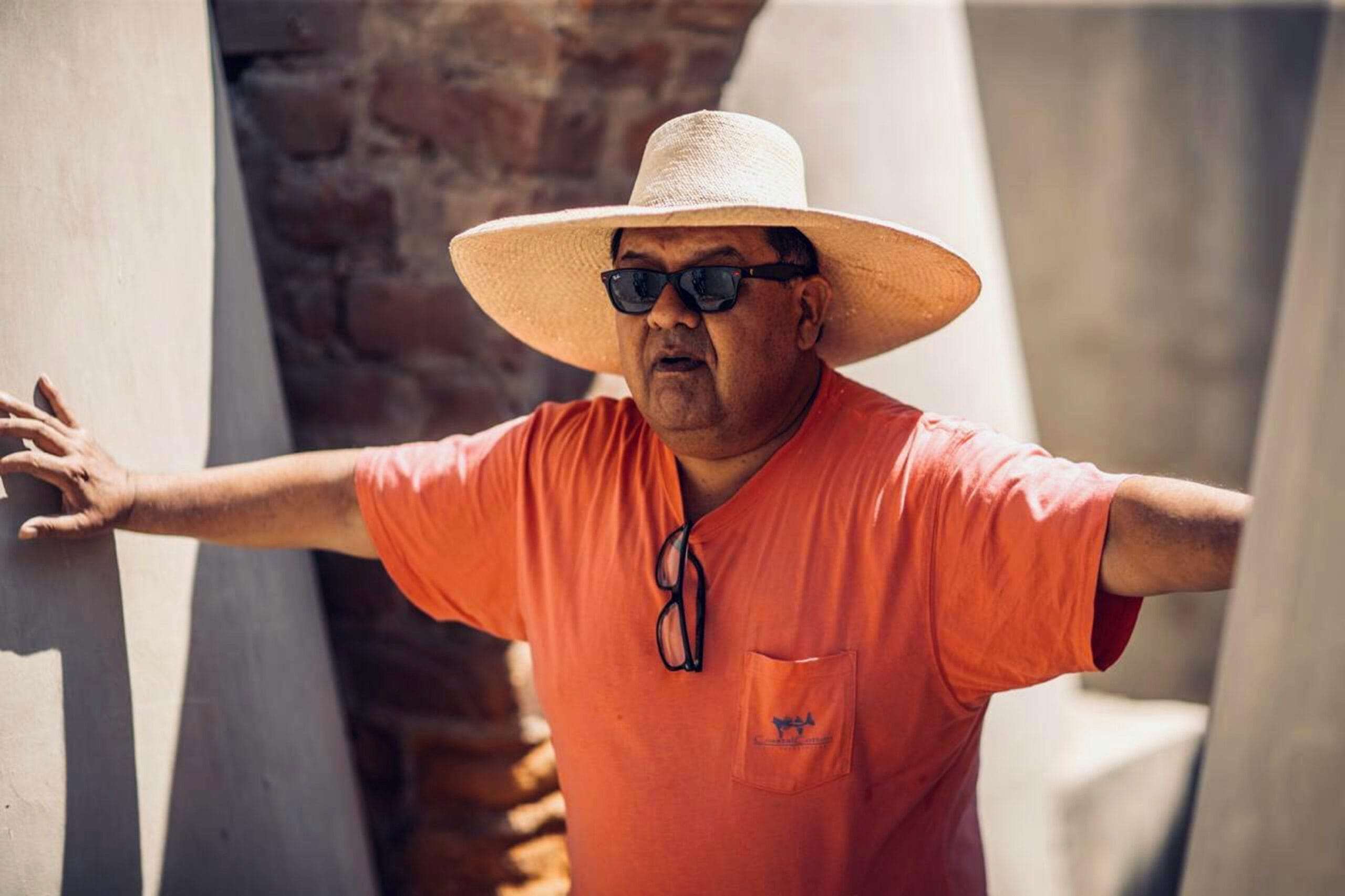
Educación
Since ancient times, humanity has sought ways to communicate. From petroglyphs to digital platforms, we have told stories to preserve knowledge and ensure cultural continuity. We have been developing technologies based on that vast collective archive of human experiences.
This ability to narrate and humanize the message allows brands to build solid values and generate credibility among their audiences. Authentic visual narratives have a significant power to connect emotionally with consumers, brands with storytelling can increase their loyalty to the customer by up to 20%.
Our purpose is to design a digital ecosystem that values and integrates every link in the food chain – from the farmer to the final consumer – it is not only a marketing strategy, but an opportunity to strengthen values in the sustainability and traceability of the sector.


Educación
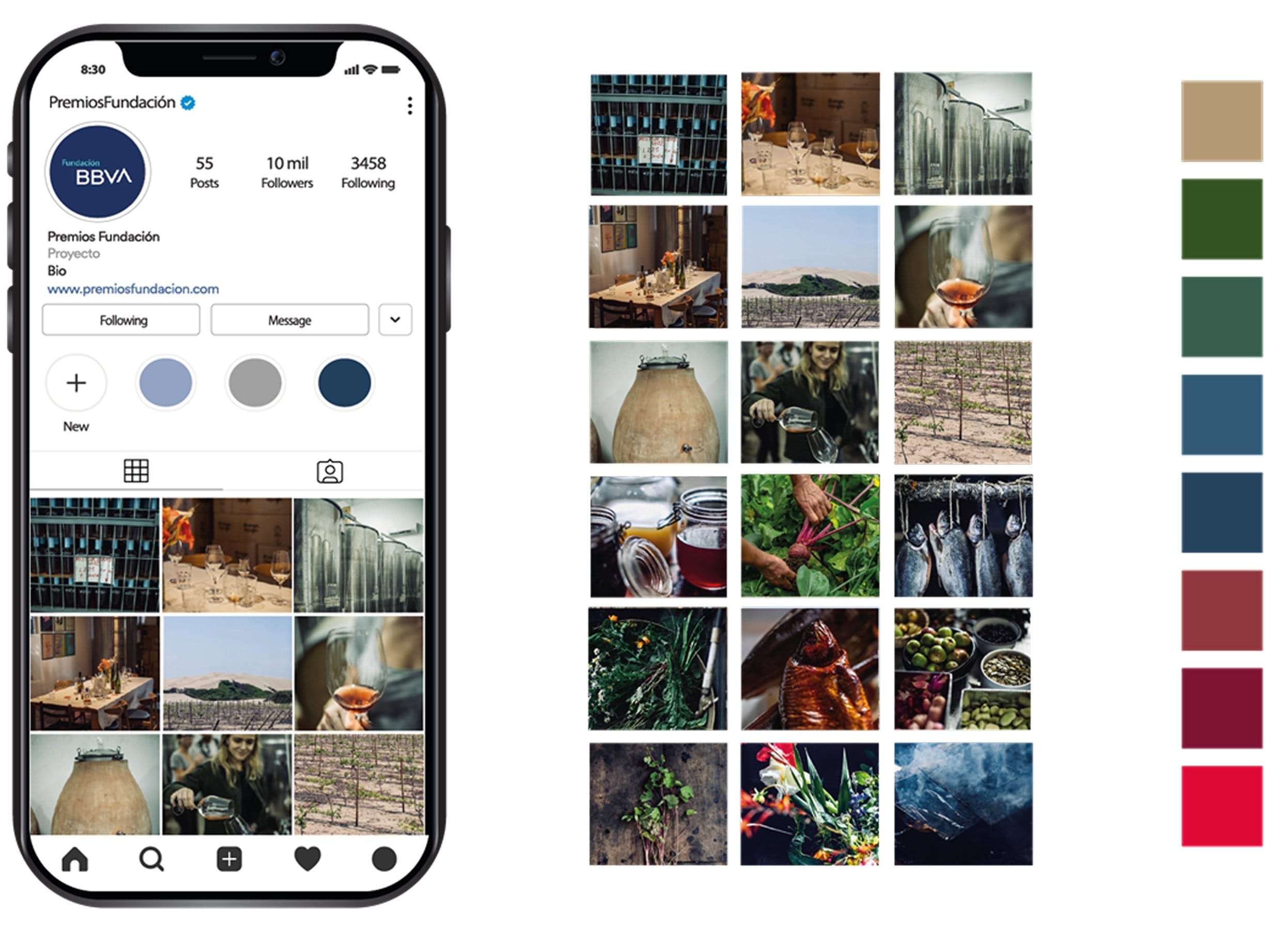
The scheme of this digital competence allows a massive dissemination of our content, facilitating the measurement of the impact of these chronicles and the effectiveness of the key concepts that we promote. Traceability, sustainability and food sovereignty have ceased to be passing trends to become strategic pillars of global trade.
The European Union is making progress on regulations that require transparency in agri-food supply chains, which will directly affect export markets in the coming years. Companies such as Carrefour and Nestlé implemented blockchain technologies to ensure traceability in their product lines, allowing through a QR to know the origin, processing and route of the food they consume.




Redes
Countries such as Germany, the Netherlands and Belgium began more than a decade ago a process of agricultural technification focused on reducing environmental impact. Currently, 25% of farms in these countries integrate precision technologies, according to FAO data. The Dutch “smart greenhouses” have revolutionized the productive model.
European media such as the German public broadcaster Deutsche Welle (DW) lead rigorous educational campaigns on sustainability, food safety and environmental awareness, strengthening the culture informed in their audiences. His stories are trending and showing the transmedia effect.
The identity of Peru today is largely built through its gastronomy, a fundamental pillar of national pride. Producers – who represent the origin of this value chain – must be made visible and actively integrated into that collective pride.

Bibliography
“You and I eat the same” editado x Chris Ying / If it does well here it belongs here” x Rene Redzepi
“4000 anos de Cocina – Una deliciosa historia” de Veronica Sanchez
“Love Marks” de Kevin Roberts
Videography
Netflix:
“Flavorful Origins” de Yang Chen 2020 (10 episodios -China)
“Nation of Kimchi” de KFood Show 2023 (2 episodios – Corea)
Vice World News:
“Inside the wellness industry controversial supply chains” de
“How mafia took control of Italian food”
Johnny Harris:
“Why is food so expensive now?”
“How the US ruined bread.”
Anthony Bourdain Parts Unknown – CNN originals
“Anthony busca ek mejor sushi de Japon”
Business Insider:
“Inside the Japanese luxury fruit market”
“The creator of the worlds hottest peppers is fueling a hot sauce revolution”
“14 entrepreneurs who built food empires”
DW:
“Comida para todos” – El futuro de la alimentacion”. De Christina Gantner & Stella Konemann.
“Son sostenibles los tomates” – Un placer con sabor amargo de Judith Paland
“El impacto de los super alimentos” de Mathias Ebert
“La influencia China en la FAO” de DW Documentary.
“El precio de nuestro jugo de Naranja” de Wiebke Scheffler